By Forbes
USA retail is slowing down and the Philippines could surely help.
Scanning multiple USA retail issues, the complaints often seem to lean in one direction. Whether it is the high cost of financing inventory or consumer malaise, retailers are pointing fingers at the Biden Administration because international trade initiatives for product procurement have been somewhat nonexistent, plus there is a general lack of retail enthusiasm in both the White House and on Capitol Hill. One particular problem appears when retailers ask the government a question: “If you want us to get out of China – where should we go? – and why are the exit doors being blocked?”
These days (in retail), one is hard pressed to name a senior executive who has maintained his/her position in the C-suite for a prolonged period of time. Plus, there is the endless stream of retail bankruptcies, store closings, and missed sales targets – which make the industry seem like a dormant volcano spewing embers.
On one hand, the federal government encourages an exit from China – on the other hand the federal bureaucracy doesn’t offer workable alternatives or pending opportunities. In addition, those who source finished product, components, or even raw materials from China are now tangled in the web of the Uyghur Forced Labor Prevention Act (UFLPA) – as U.S. Customs continues to question cargo at the border – which they can hold for months without explanation – causing retailers (in some cases) to miss selling seasons while they also incur serious legal and logistical costs.
In order to grow, retail needs to develop new places to acquire product, but Congress, The U.S. Trade Representative, and the Biden Administration seem to be thwarting that goal. In addition, unforeseen world events continue to hamper retail supply lines and add to raising costs/inflation. As an example, many container ships now avoid the Suez Canal because of Houthi aggression; they also avoid the Panama Canal because it is low on water and, of course, they avoid the Port of Baltimore due to the recent bridge collision. Suppliers manufacturing in Myanmar have to deal with a military government, those in Ethiopia have lost their African Growth & Opportunity (AGOA) benefits, and those in Haiti are under siege from gangs that have taken over much of Port-au-Prince.
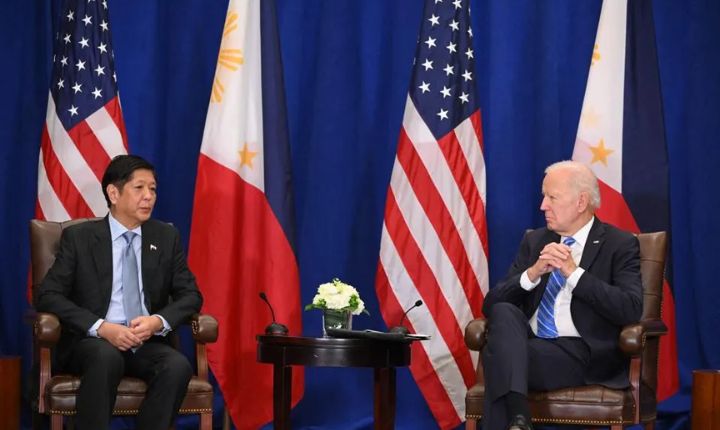
Looking to catch a break, retailers and brands often turned to the Philippines for product – because they maintain quality factories and also have a highly skilled labor force. Unfortunately for the Philippines, several years ago, when China ascended to the WTO and quota disappeared, the country lost more than 500,000 manufacturing jobs – as the business migrated to China.
READ the fully story HERE.